این مقاله فعلاً فقط به انگلیسی موجود است — ترجمهی فارسی بهزودی اضافه میشود.
Prenatal Exercise for Women in Abu Dhabi and Dubai: Safe Workouts During Pregnancy
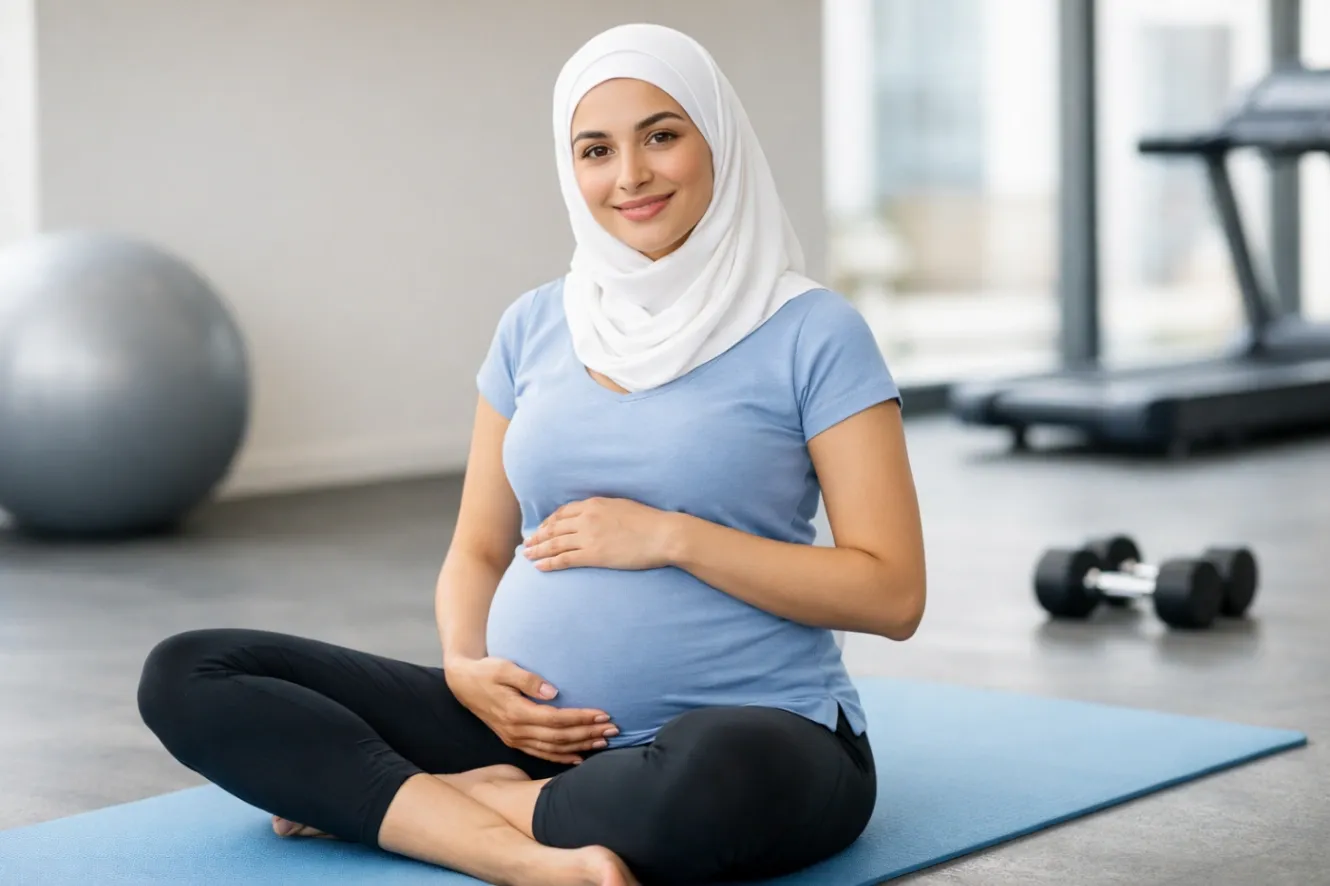
Prenatal Exercise for Women in Abu Dhabi and Dubai: Safe Workouts During Pregnancy
Exercise during pregnancy is one of the most evidence-supported investments a pregnant woman can make for herself and her baby — yet a significant proportion of pregnant women in Abu Dhabi and Dubai stop exercising entirely during pregnancy, often based on outdated advice or cultural norms that equate rest with safety. This guide provides the current evidence base and practical protocols for safe, effective prenatal exercise in the UAE.
The Evidence for Exercise During Pregnancy
Major health organisations — including the American College of Obstetricians and Gynecologists (ACOG), the Society of Obstetricians and Gynaecologists of Canada (SOGC), and the UK's RCOG — all recommend exercise throughout uncomplicated pregnancy. The research basis is compelling:
- Gestational diabetes prevention: Exercise reduces gestational diabetes risk by 27% (Tobias et al. 2011, BMJ) — particularly relevant in the UAE where gestational diabetes rates are elevated relative to global averages
- Reduced gestational hypertension: Exercise reduces pre-eclampsia risk by 35% (Magee et al. 2014, Hypertension in Pregnancy)
- Labour outcomes: Active women have shorter first-stage labour and lower rates of emergency caesarean section (Bo et al. 2016, British Journal of Sports Medicine)
- Postpartum recovery: Women who exercise during pregnancy return to pre-pregnancy weight and fitness faster postpartum (Mottola et al. 2018, British Journal of Sports Medicine)
- Mental health: Exercise significantly reduces antenatal depression and anxiety — particularly important during the isolation that some expat women in Abu Dhabi and Dubai experience during pregnancy
Safety Fundamentals: Before You Exercise in the UAE
Exercise is safe in uncomplicated pregnancy. However, certain conditions require medical clearance before exercising:
- Placenta praevia (low-lying placenta)
- Multiple pregnancy with risk of premature labour
- Cervical incompetence or cerclage
- Significant heart or lung disease
- Persistent second/third trimester bleeding
- Premature labour (current or threatened)
If none of these apply, ACOG confirms you can continue exercise throughout pregnancy. Always inform your obstetrician in Abu Dhabi or Dubai that you are exercising — they will flag any contraindications at your regular check-ups.
General Intensity Guidelines
The "talk test" is the most practical intensity guide for pregnant women: if you can hold a conversation during exercise, you are in the safe moderate-intensity zone. Avoid reaching maximal breathlessness. Heart rate targets (previously used: 140 bpm maximum) are no longer recommended by ACOG — individual fitness level makes a single number inappropriate.
Trimester-by-Trimester Exercise Guide
First Trimester (Weeks 1–13)
Most exercises you performed pre-pregnancy can continue. Key modifications:
- Reduce intensity if experiencing nausea, fatigue, or dizziness — extremely common in the first trimester
- Avoid overheating — UAE summer heat makes outdoor exercise dangerous; keep to air-conditioned gyms in Abu Dhabi and Dubai. Core body temperature above 39°C can affect foetal neural tube development in early pregnancy
- Continue running, cycling, swimming, strength training, yoga — all are safe in trimester 1 of an uncomplicated pregnancy
Second Trimester (Weeks 14–27)
Most women feel best during the second trimester. Key modifications:
- Supine position: After week 16–20, avoid exercises that require lying flat on your back for extended periods — the uterus can compress the inferior vena cava, reducing blood return to the heart. Brief supine positions (for assessment, stretching) are fine; sustained supine work (crunches, bench press) should be modified to incline or seated
- Contact sports: Activities with fall risk or abdominal contact should be stopped (martial arts, volleyball, basketball, competitive tennis with falls risk)
- High-impact exercise: Running and jumping are safe if comfortable — pelvic floor loading should be monitored. If you experience leaking or pelvic pressure, consult a women's health physiotherapist in Abu Dhabi or Dubai
- Continue: Swimming (excellent — zero impact, supported by water), resistance training (with modifications), walking, Pilates, prenatal yoga, cycling (stationary preferred)
Third Trimester (Weeks 28–40)
Exercise remains beneficial and is associated with better outcomes when continued to term in uncomplicated pregnancies. Key modifications:
- Reduce load and intensity as the body changes — this is not weakness, it is appropriate adaptation
- Avoid exercises requiring balance on one leg (fall risk increases as centre of gravity shifts)
- Swimming becomes particularly comfortable — the buoyancy reduces joint load and the relief of weightlessness is therapeutic in late pregnancy
- Stop any exercise that causes pain, breathlessness, or contractions
Best Exercises for Pregnant Women in Abu Dhabi and Dubai
Swimming — The Gold Standard
Swimming is widely considered the ideal pregnancy exercise: zero impact, full-body cardiovascular conditioning, natural cooling (important in UAE heat), and the buoyancy provides relief from the physical weight of pregnancy. Abu Dhabi and Dubai pool facilities are world-class — most major hotels and fitness clubs offer pool access suitable for pregnancy swimming.
Prenatal Pilates
Clinical Pilates — with a certified instructor experienced in prenatal exercise — is among the most evidence-supported pregnancy exercise modalities. It strengthens pelvic floor muscles, deep core stabilisers, and addresses the postural changes of pregnancy. Many women in Abu Dhabi and Dubai attend dedicated prenatal Pilates classes available at specialised women's fitness studios and physiotherapy clinics.
Walking
Sustained walking is safe and beneficial throughout all trimesters. Abu Dhabi's Corniche and Dubai's waterfront paths are ideal in cooler months; mall walking (Al Reem, Dubai Mall) is the preferred summer option for pregnant UAE residents.
Resistance Training (Modified)
Maintaining muscle strength during pregnancy significantly aids postpartum recovery. Key exercises to continue (with modifications): squats, step-ups, wall push-ups, rows, bicep curls, shoulder press. Key exercises to avoid or modify: heavy spinal loading, supine work after week 20, exercises requiring significant breath-holding (Valsalva).
Frequently Asked Questions
Q: Is it safe to exercise in the Dubai summer heat during pregnancy?
A: Outdoor exercise in Dubai and Abu Dhabi summer (June–September) is not recommended during pregnancy due to heat illness risk and foetal hyperthermia concerns. Pregnant women are more susceptible to heat illness and less efficient at thermoregulation. All exercise should be in air-conditioned environments — gyms, pools, malls, indoor studios. Early morning outdoor walking (before 7am) is acceptable with appropriate hydration in mild months but should be avoided in peak summer.
Q: Can I continue running in early pregnancy in Abu Dhabi?
A: Yes, if you were running pre-pregnancy and have an uncomplicated pregnancy. Most women continue running comfortably through the first and into the second trimester. As pregnancy progresses, pelvic floor stress from impact increases — monitor for leaking or pelvic pressure and transition to lower-impact alternatives (swimming, cycling, walking) if symptoms develop. A women's health physiotherapist in Abu Dhabi can assess pelvic floor loading and advise on safe running continuation.
Q: I was not exercising before pregnancy in Dubai. Can I start now?
A: Yes — ACOG specifically states that sedentary women can begin exercise during pregnancy, starting with light activity (walking, gentle swimming, prenatal yoga) and gradually progressing. Do not start intense exercise programmes from scratch during pregnancy — build gradually. Inform your obstetrician and ideally work with a personal trainer in Abu Dhabi or Dubai experienced with prenatal exercise to design an appropriate starting programme.
Q: What fitness classes in Dubai are safe during pregnancy?
A: Specifically prenatal yoga, prenatal Pilates, water aerobics/aqua natal classes, and low-impact aerobics classes taught by instructors with prenatal experience are safe and beneficial. Avoid: Hot Yoga (temperature risk), high-intensity bootcamp or CrossFit-style classes with heavy loading and breath-holding, spinning classes with extreme intensity, and any class where the instructor is not aware of your pregnancy. Many Dubai and Abu Dhabi fitness studios offer dedicated prenatal classes.
Q: Is Pilates or yoga better for pregnancy in Abu Dhabi?
A: Both are beneficial with different strengths. Prenatal Pilates has stronger evidence for pelvic floor and core strengthening — directly relevant for labour preparation and postpartum recovery. Prenatal yoga is superior for flexibility, breathwork, relaxation, and mental preparation for labour. Many pregnant women in Abu Dhabi and Dubai attend both — Pilates for functional strength, yoga for flexibility and mindfulness. If choosing one, prenatal Pilates with a certified clinical instructor provides more targeted physical preparation for the demands of labour and postpartum.
Ready to Train with a Certified Coach?
Get a free consultation and a training plan built specifically for your goals, level, and schedule.
Find Your Coach →References: Tobias et al. 2011, BMJ | Bo et al. 2016, BJSM | Mottola et al. 2018, BJSM — Canadian prenatal exercise guidelines | ACOG Committee Opinion 804 — Physical Activity and Exercise During Pregnancy
آمادهاید این را عملی کنید؟
با یک مربی معتبر 369MMAFIT در دبی مچ شوید — تمرین شخصی، MMA و تغذیه، حضوری یا آنلاین.