این مقاله فعلاً فقط به انگلیسی موجود است — ترجمهی فارسی بهزودی اضافه میشود.
Postnatal Fitness in Dubai and Abu Dhabi: Safe Return to Exercise After Birth
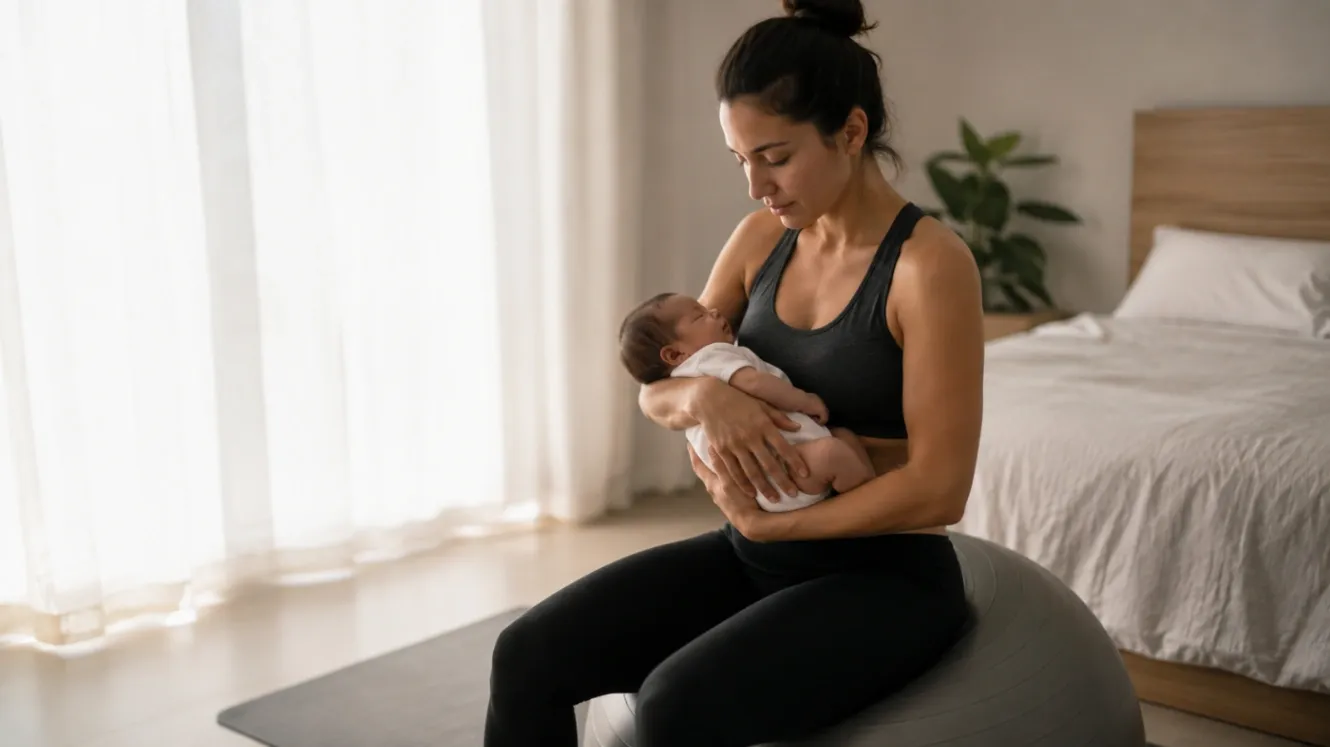
Postnatal Fitness in Dubai and Abu Dhabi: Safe Return to Exercise After Birth
Returning to exercise after birth is one of the most commonly misunderstood areas of women's health — and in UAE's fitness culture, pressure to "bounce back" quickly can lead new mothers to return too fast and sustain significant, long-lasting injury. This guide provides evidence-based guidance for postnatal women in Dubai and Abu Dhabi on safe, effective return to fitness.
The Case Against Rushing Back to Exercise
UAE social media and fitness culture in Dubai and Abu Dhabi can create intense pressure on new mothers to resume high-intensity exercise within weeks of birth. This pressure is not supported by physiology and causes real harm.
Childbirth creates significant physical changes including:
- Pelvic floor trauma: Vaginal delivery, episiotomy, or prolonged pushing can damage pelvic floor muscles and connective tissue — effects that may not be immediately symptomatic but manifest as prolapse, incontinence, or pain years later if rehabilitation is rushed
- Diastasis recti (abdominal separation): Occurs in up to 60% of pregnancies — the linea alba widens under hormonal and mechanical influence, requiring specific rehabilitation before return to loading
- Hormonal changes: Relaxin (joint-loosening hormone) remains elevated in breastfeeding mothers for weeks-to-months after birth, increasing ligament injury risk
- Caesarean recovery: C-section is major abdominal surgery — the incision involves 7 tissue layers. Loading this region prematurely significantly increases complication risk
Safe Return-to-Exercise Timeline
The 2019 guidelines from the Sports Medicine Australia Postnatal Return to Exercise committee, endorsed by leading pelvic health physiotherapists:
0–6 Weeks: Foundation Phase
- Gentle walking (increase daily step count gradually)
- Diaphragmatic breathing and breath-reconnection exercises
- Gentle pelvic floor activation (Kegels with proper technique)
- Rest and recovery prioritisation
- Avoid: Any running, jumping, heavy lifting, HIIT, abdominal exercises including sit-ups and crunches
6–12 Weeks: Rebuilding Phase (with pelvic health physiotherapist assessment)
All UAE postnatal women should be assessed by a pelvic health physiotherapist before progressing beyond walking. Dubai and Abu Dhabi have excellent pelvic health physiotherapy practices (Physiomed, Mediclinic, Cleveland Clinic Abu Dhabi, and several independent practitioners).
- Swimming from 6 weeks postpartum (vaginal delivery with healed episiotomy)
- Pilates Reformer (with prenatal/postnatal certified instructor)
- Progressive walking (20–40 minutes)
- Core reconnection exercises (not sit-ups — 360° breathing, dead bugs, heel slides)
- Avoid: Running, high-impact aerobics, heavy resistance training
12 Weeks+ (C-section: 16+ weeks): Progressive Loading
With physiotherapist clearance confirming adequate pelvic floor function and no diastasis recti requiring ongoing rehabilitation:
- Light resistance training (bodyweight to light weights)
- Low-impact cardio
- Yoga classes modified for postnatal
- Pilates Reformer (progressive)
4–6 Months: Return to Full Activity
- Running (if symptom-free on all jumping/impact tests)
- HIIT classes
- Heavy resistance training
- Full group fitness return
Diastasis Recti — What UAE Mothers Need to Know
Diastasis recti (DR) — abdominal muscle separation at the linea alba — is extremely common and frequently misunderstood in UAE fitness settings. Key points:
- DR occurs in ~60% of pregnancies and typically reduces significantly by 8 weeks postpartum with appropriate rehabilitation
- DR that persists is not automatically problematic — function matters more than gap size (Lee & Hodges 2016)
- Exercises that worsen DR: Traditional sit-ups, crunches, double-leg raises, planks (with doming), heavy loaded exercises with breath-holding
- Rehabilitation: Diaphragmatic breathing, pelvic floor activation with core coordination, progressive loading under physiotherapy guidance
- Self-testing for DR is possible but assessment by a pelvic health physiotherapist in Dubai or Abu Dhabi gives far more actionable information
Pelvic Floor Health After Birth in UAE
Pelvic floor health is significantly undertreated in UAE — partly due to cultural factors, partly due to limited awareness. Yet symptoms (incontinence, prolapse discomfort, pelvic pain, sexual dysfunction) are common and largely treatable with appropriate physiotherapy. Any postnatal woman in Dubai or Abu Dhabi experiencing these symptoms should see a pelvic health physiotherapist — this is medical care, not luxury wellness.
UAE pelvic health physiotherapy resources:
- Mediclinic Dubai and Abu Dhabi — women's health physiotherapy departments
- Cleveland Clinic Abu Dhabi — Women's Health
- Physiomed Dubai
- Several independent pelvic health physiotherapists operating across Dubai (increasingly available, check UAE physiotherapy society listings)
Postnatal Fitness Programmes in Dubai and Abu Dhabi
Several UAE studios offer postnatal-specific programming:
- Studios with prenatal/postnatal certified Pilates instructors — most Reformer studios in Dubai have at least one
- Mums-and-babies yoga classes — social benefit alongside fitness, available at several Dubai and Abu Dhabi studios
- Personal trainers with postnatal specialisation — an increasingly common specialisation among UAE PTs
What to look for in a postnatal fitness professional in UAE:
- Specific postnatal certification (not just general fitness certification)
- Knowledge of pelvic floor and diastasis recti assessment
- Willingness to work with your pelvic health physiotherapist's recommendations
- Screen-based symptom monitoring (checking for incontinence, pelvic heaviness, or pain during and after sessions)
Mental Health: The Missing Piece in UAE Postnatal Fitness
Postnatal depression affects 10–15% of mothers globally and is under-reported in UAE due to cultural stigma. Exercise is one of the most evidence-based interventions for postnatal depression — with meta-analyses showing it equivalent to medication for mild-to-moderate cases. However, postnatal fitness should never be used to escape or avoid addressing mental health needs. If you're struggling emotionally in the postnatal period in Dubai or Abu Dhabi:
- Speak to your OB-GYN or GP — this is a medical matter, not a personal failing
- UAE has excellent mental health services: Lighthouse Arabia, German Neuroscience Centre Dubai, multiple Dubai and Abu Dhabi hospitals with psychiatry departments
- The UAE postnatal community is active online — Facebook groups "Dubai Mums" and similar provide peer support and resource sharing
Ready to Train with a Certified Coach?
Get a free consultation and a training plan built specifically for your goals, level, and schedule.
Find Your Coach →Frequently Asked Questions
Q: When can I start exercising after a C-section in Dubai?
A: Gentle walking can begin within days of C-section. Pelvic floor exercises from day 1–2 are appropriate with medical clearance. Light resistance training and swimming typically become appropriate at 12–16 weeks with healing confirmation from your UAE surgical team. Running and high-impact activities generally wait until 16–20 weeks minimum. Always get individual guidance from your obstetrician and a pelvic health physiotherapist.
Q: Is it safe to run after giving birth in Abu Dhabi?
A: Running is high-impact and should generally wait until 12+ weeks postpartum (16+ weeks post C-section), with all screening tests passed: no incontinence, no pelvic heaviness, pain-free, adequate pelvic floor and hip strength. Research by Groom et al. (2019) provides specific functional tests before return to running — a pelvic health physiotherapist in Abu Dhabi can assess readiness properly.
Q: Can I do yoga or Pilates after birth in Dubai?
A: Modified postnatal yoga and Pilates Reformer can begin from 6+ weeks (vaginal) or 12+ weeks (C-section) with appropriate instructor knowledge. Ensure your instructor is specifically trained in postnatal modification — standard yoga and Pilates classes include exercises contraindicated in the early postnatal period. Dubai and Abu Dhabi have qualified postnatal instructors at several studios.
Q: How do I find a postnatal personal trainer in Dubai?
A: Look for UAE personal trainers with specific postnatal certification (e.g., MUTU Pro, pre/postnatal specialist qualification from NASM or equivalent). Ask for experience with diastasis recti and pelvic floor considerations. Ideally, your trainer coordinates with your pelvic health physiotherapist. Platform listings for certified UAE trainers often include specialisation categories.
Q: How can I lose the baby weight safely in Abu Dhabi after birth?
A: Focus on body function, not appearance, for the first 12 weeks. After 12 weeks with physiotherapist clearance: maintain slight caloric deficit (200–300 calories below TDEE — avoid aggressive restriction, especially if breastfeeding), prioritise protein intake (protein requirements increase during breastfeeding), and progressively build exercise volume. Patience is not optional — sustainable postnatal fat loss takes 6–12 months. Rapid fat loss impairs breastfeeding and recovery.
آمادهاید این را عملی کنید؟
با یک مربی معتبر 369MMAFIT در دبی مچ شوید — تمرین شخصی، MMA و تغذیه، حضوری یا آنلاین.