هذه المقالة متاحة باللغة الإنجليزية فقط حالياً — الترجمة العربية قيد الإعداد.
How to Cut Weight for MMA: The Safe, Science-Backed Method
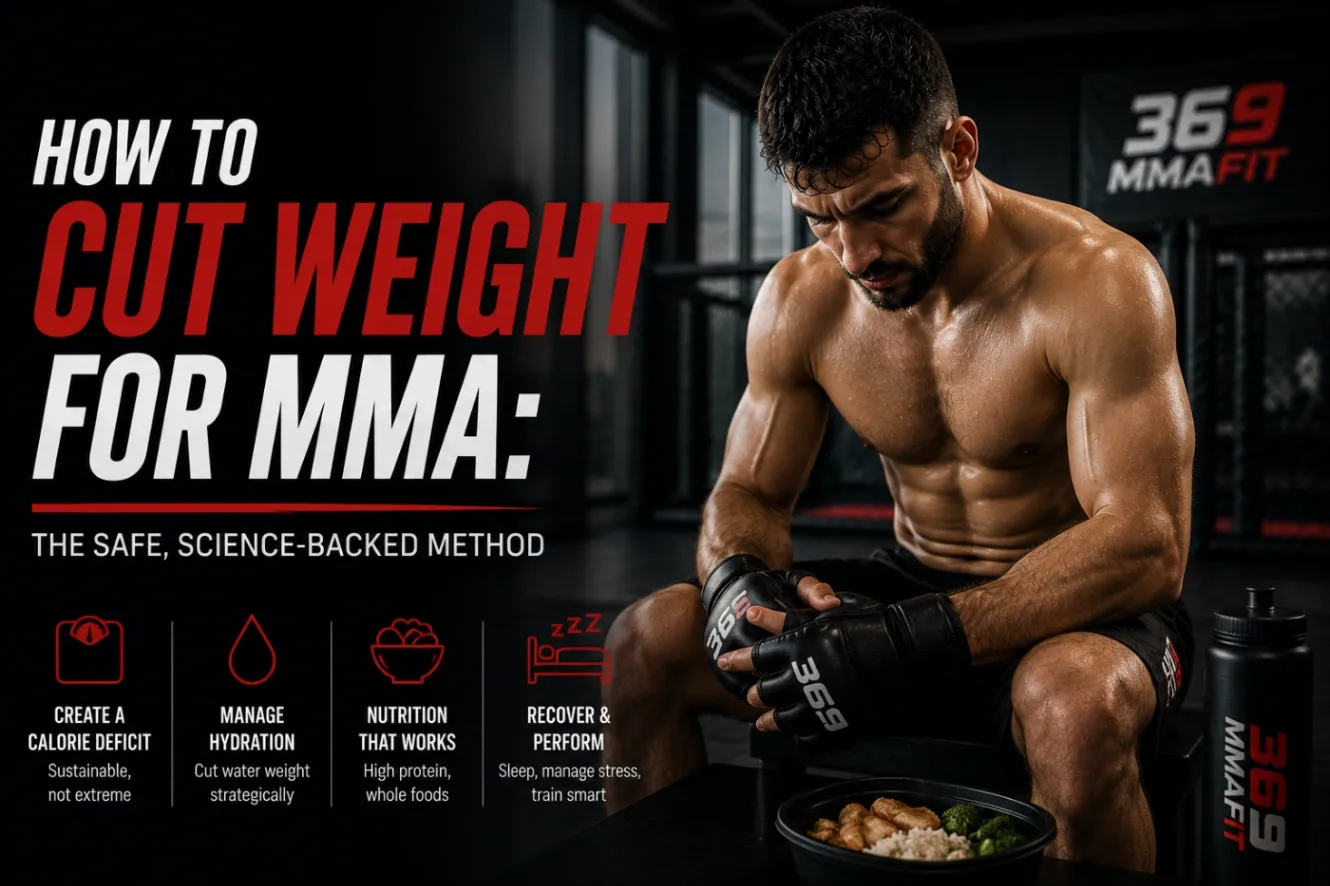
Weight cutting is one of the most misunderstood and potentially dangerous practices in combat sports. Done correctly, a strategic reduction in body weight before competition can provide a meaningful competitive advantage. Done recklessly, it impairs performance, damages long-term health, and in extreme cases has proven fatal. This guide presents the evidence-based approach.
Weight Cutting vs. Fat Loss: A Critical Difference
The first concept every fighter must understand is that competition weight cutting is not the same as fat loss. Fat loss occurs over weeks to months through a sustained calorie deficit. Weight cutting — as practiced in the days immediately before a weigh-in — primarily manipulates fluid balance and glycogen stores. Reale, Slater, and Burke (2017) define acute weight loss in combat sports as reductions achieved in the 24–72 hours before competition, predominantly through water loss.
A fighter might carry 5–8% excess body fat that can be reduced over a fight camp through diet. They might then make a further 3–5% reduction via acute water manipulation before weigh-in. Confusing these two strategies leads to either inadequate preparation or dangerous dehydration.
The Physiology of Weight Cutting
Body water constitutes roughly 60% of total body mass in adult males and 50–55% in adult females. It is distributed across three compartments: intracellular (within cells), interstitial (between cells), and plasma (in blood). Acute weight cutting primarily depletes the interstitial compartment through sweat and fluid restriction. The plasma compartment — critical for cardiovascular function — is partially defended by hormonal mechanisms (ADH, aldosterone), but prolonged or aggressive dehydration compromises it.
Glycogen, stored in muscle and liver with approximately 3–4 g of water per gram of glycogen, accounts for an additional 1–2 kg of manipulable weight. Carbohydrate restriction in the final week reduces glycogen stores and their associated water. A well-structured weight cut exploits both mechanisms without exceeding safe limits.
The Dangers of Aggressive Cuts
A 2016 British Journal of Sports Medicine consensus statement on weight cutting in combat sports identified dehydration greater than 5% of body mass as a threshold beyond which cognitive function, reaction time, and power output are significantly impaired — effects that persist even after 24 hours of rehydration. Cuts exceeding 10% body mass have been associated with kidney damage, cardiac arrhythmia, and in documented cases, death.
The most evidence-supported safe limit for acute weight cutting is 3–5% of body mass via water manipulation. Anything beyond this should be treated as a medical decision, not a coaching one.
The Safe 4-Week Weight-Cut Protocol
Weeks 4–2: Dietary Phase
Begin by establishing your off-season walking weight and your target competition weight class. If the gap between these two is more than 8–10% of body mass, you are attempting the wrong weight class. For a gap of 5–8%, a structured dietary phase can achieve the majority of the reduction safely.
Create a moderate calorie deficit of 300–500 kcal/day. Prioritize protein at 2.3–3.1 g/kg to preserve lean mass during the cut (Helms et al., 2014). Reduce sodium intake to minimize water retention. Maintain training performance as the primary feedback mechanism — if strength drops significantly, you are cutting too aggressively.
Week 1 Before Weigh-In: Water Manipulation
Begin carbohydrate restriction 5–7 days out. Reduce intake to below 100 g/day to deplete glycogen. Simultaneously begin progressive fluid restriction: normal intake until day 3, then reduce by 25% on days 2 and 1 before weigh-in. Increase sweat-based water loss through training in additional layers or brief sauna sessions (no longer than 15 minutes per session to avoid dangerous core temperature elevation).
Final 24 Hours: Controlled Dehydration
The final 24-hour phase requires close monitoring. Restrict fluids to less than 500 mL. If using a sauna, limit total time to 30–45 minutes split across two sessions with monitoring of urine color (target: dark amber, not brown). At weigh-in, total acute water loss should not exceed 5% of body mass. Document your starting weight on day 7 to calculate this precisely.
Rehydration and Recovery After Weigh-In
The window between weigh-in and competition is your most important recovery opportunity. Barley et al. (2018) demonstrated that a structured rehydration protocol of oral rehydration solution (sodium 60–90 mmol/L) combined with carbohydrate restoration can recover most of the performance decrements associated with a 4–5% weight cut within 24 hours, provided sufficient time is available.
Target: 150% of fluid deficit within 4–6 hours. Include sodium (1–1.5 g/L in rehydration fluid) to stimulate thirst and reduce urinary losses. Begin carbohydrate reloading immediately (3–5 g/kg of bodyweight over the rehydration window).
What Weight Class Should You Actually Compete At?
The ideal competition weight class is one where you carry minimal excess body fat at competition weight, meaning your cut is primarily from dietary preparation rather than aggressive water manipulation. If you require more than a 5% acute water cut to make weight, you should consider moving up a weight class. Long-term health, training quality during camp, and competition-day performance all favor this decision.
Nutrition Strategy During a Cut
Cutting weight does not mean starving. For a comprehensive approach to MMA nutrition throughout a training cycle, including fight camp dietary strategies, see our MMA Fighter Diet Plan. For specific protein recommendations during caloric restriction, our article on Protein Intake for MMA Fighters covers the evidence in detail.
The Role of a Coach in Weight Management
Weight cutting decisions should never be made in isolation. A qualified strength and conditioning coach or sports dietitian adds accountability, objective monitoring, and the experience to recognize when a cut is becoming dangerous. If you are competing at any level, read our guide on MMA Training for Beginners for context on the full preparation process.
References
- Reale, R., Slater, G., & Burke, L.M. (2017). Acute weight loss strategies for combat sports and applications to Olympic success. International Journal of Sports Nutrition and Exercise Metabolism, 27(1), 70–83.
- Brito, C.J. et al. (2012). Methods of body-mass reduction by combat sport athletes. International Journal of Sport Nutrition and Exercise Metabolism, 22(2), 89–97.
- Langan-Evans, C., Close, G.L., & Morton, J.P. (2011). Making weight in combat sports. Strength & Conditioning Journal, 33(6), 25–39.
- British Journal of Sports Medicine. (2016). Consensus statement on weight cutting in combat sports. BJSM, 50(24).
- Barley, O.R., Chapman, D.W., & Abbiss, C.R. (2018). Weight loss strategies in combat sports. Strength & Conditioning Journal, 40(3), 47–56.
Frequently Asked Questions
Q: How much weight can you safely cut for MMA?
A: Sports scientists recommend limiting acute water-based cuts to 3–5% of body mass. A 75 kg fighter can safely manipulate roughly 2.25–3.75 kg of water weight. Any larger cut requires medical supervision and significantly increases health and performance risks.
Q: What is water cutting and is it safe?
A: Water cutting refers to using sweat, fluid restriction, and reduced carbohydrate intake to temporarily reduce body water before a weigh-in. It is safe within the 3–5% body mass limit when followed by a structured rehydration protocol before competition. Cuts beyond this threshold carry documented risks to kidney function, cardiac health, and cognitive performance.
Q: How do MMA fighters lose so much weight so fast?
A: The rapid weight loss seen in fighters is primarily water and glycogen — not fat. Glycogen and its associated water (approximately 1.5–2 kg) plus sweat losses account for most of the acute cut. This weight is restored within 24 hours through rehydration, which is why fighters often look noticeably larger at the actual event than they did at weigh-in.
Q: Should beginners cut weight for MMA training?
A: No. Weight cutting is a competition strategy, not a training practice. Beginners should focus on developing a sustainable body composition through diet and training rather than practicing acute water manipulation, which offers no fitness benefit and carries unnecessary health risk outside a competitive context.
Q: How long does it take to rehydrate after a weight cut?
A: Full rehydration of a 3–5% body mass water cut takes approximately 24 hours with a structured protocol (oral rehydration solution + adequate sodium + carbohydrate restoration). Without a structured protocol, rehydration may take 36–48 hours and may still be incomplete by competition time.
Ready to Train with a Certified Coach?
Get a free consultation and a training plan built specifically for your goals, level, and schedule.
Find Your Coach →جاهز لتطبيق ذلك؟
احصل على مدرب 369MMAFIT معتمد في دبي — تدريب شخصي وMMA وتغذية، حضوريًا أو عبر الإنترنت.